
Most of us don’t spend much time thinking about supply chains. We notice the price of groceries, maybe the label on a shirt, or how fast a package shows up at our door—only the journey those products take before they reach us is largely invisible.
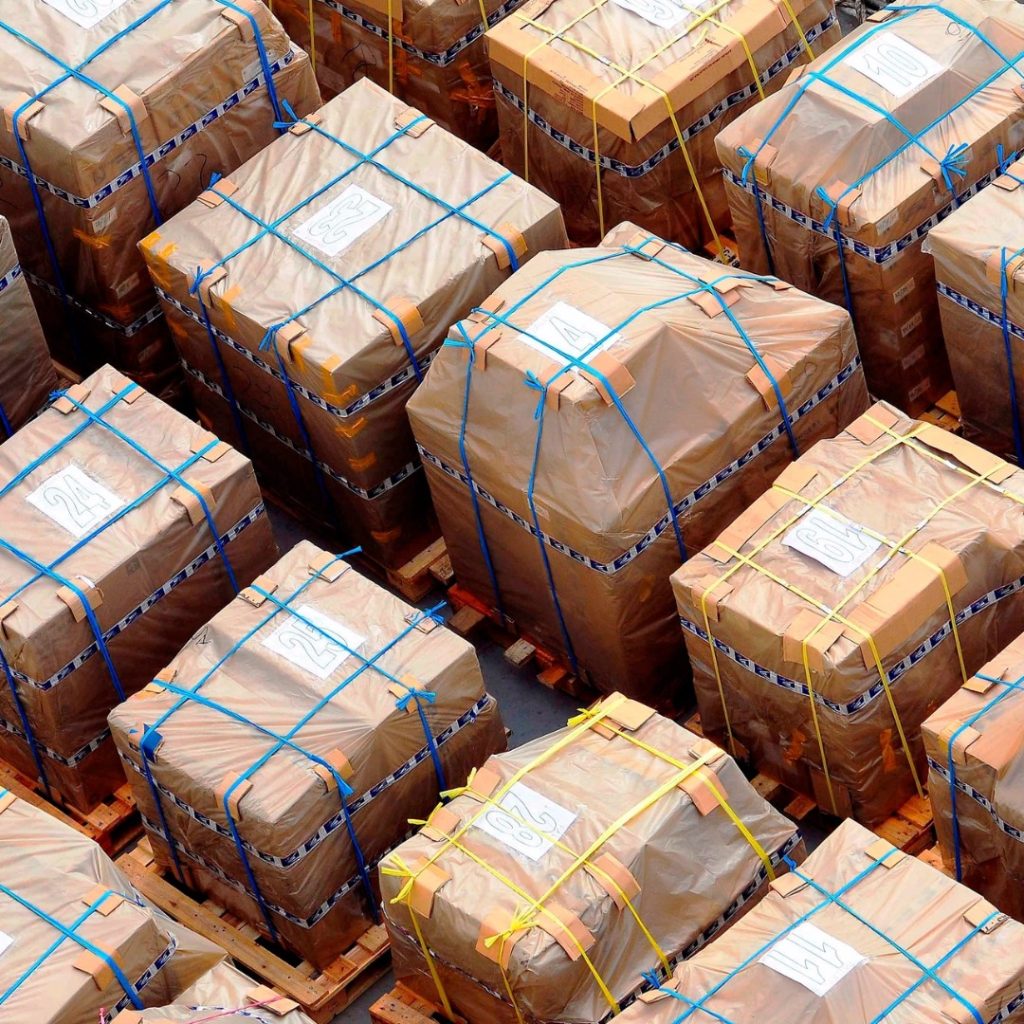
From raw materials to manufacturing, shipping, warehousing, and final delivery, supply chains are responsible for an estimated majority of many companies’ environmental effects. In other words, the climate impact of what we buy often happens long before it ever lands in our hands. For decades, supply chains were optimized for one thing: efficiency. The goal was speed and cost reduction. Cheaper materials, faster shipping routes, and larger distribution networks.
Companies are using modern software and data tools to track emissions across their entire supply chain. Artificial intelligence can analyze energy usage in factories and warehouses, flag inefficiencies, and suggest ways to cut waste. Smart logistics systems improve shipping routes to reduce fuel consumption. Blockchain tools enable companies to verify the origins of materials, ensuring they are procured responsibly.
Green tech is helping companies move from reactive to proactive. Instead of scrambling when problems arise, they can anticipate them, measure impact in real time, and perform data-driven improvements. And perhaps the most important shift is transparency.
In the past, it was easy for environmental harm to stay masked deep within a global network of suppliers. Today, digital tracking tools are making it harder for ecologically damaging practices to remain invisible. This doesn’t just expose problems—it promotes solutions. If a company can see that most of its emissions come from a single stage of production, it can focus its efforts there. Data turns vague commitments into verifiable goals.
It’s easy to assume sustainable supply chains are a “big business” problem, far removed from everyday life. But the truth is, supply chains exist because of consumer demand. Every purchase we make sends a signal. When enough people prioritize sustainability, companies respond. If you’re wondering where to start, here are a few attainable steps that make a difference:

Look beyond marketing claims. Does the brand disclose the source of its materials? Do they share carbon reduction goals? The most sustainable supply chain is the one that doesn’t have to produce excess. Give priority to durability instead of convenience. Fewer, higher-quality purchases reduce overall resource demand. Farmers’ markets, local makers, and regional brands all reduce the distance products travel.
Online returns generate significant hidden emissions through reverse logistics and discarded goods. Being more intentional about purchases reduces that impact. Also, if you work in an organization—any organization—ask about supplier standards. Encourage conversations about sustainable procurement. Change inside companies often starts with employees raising the topic.
Sustainable supply chains and green tech integration aren’t about perfection. They’re concerned about progress. The systems that power our economy are complex, global, and deeply interconnected. Transforming them will take time.
But momentum is building. Data is becoming more precise. Renewable energy is becoming more accessible. Logistics are becoming smarter. Consumers are becoming more aware. The real opportunity lies in alignment—when businesses use technology to reduce impact, and individuals reinforce that shift through everyday choices.
We may not see the full journey of every product we buy, but we are part of that journey. And when enough of us start paying attention, supply chains begin to change. Which is encouraging. Sustainability isn’t just about what we consume. It’s about how it gets to us—and how we choose to shape that path moving forward makes all the difference.